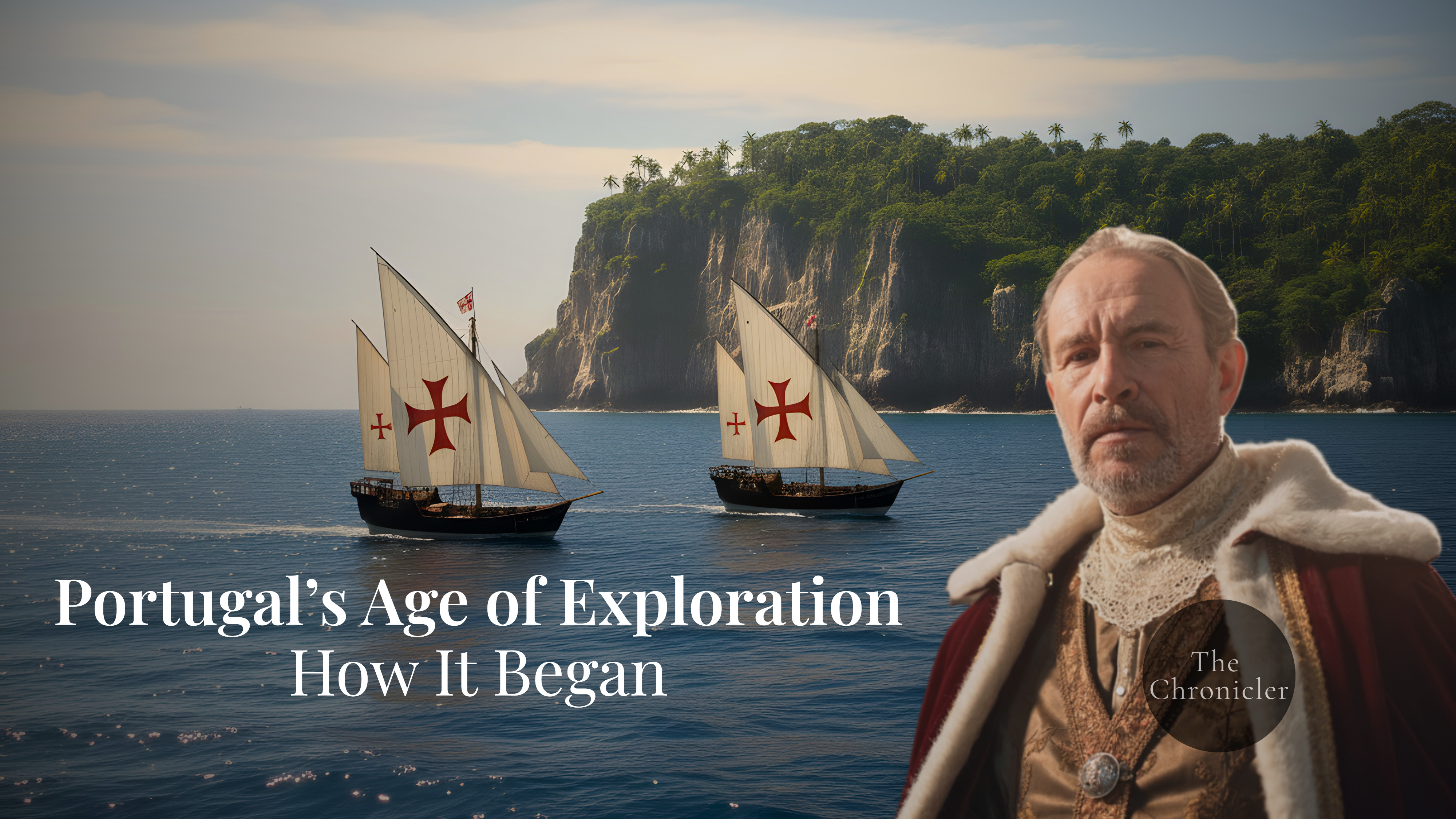
22 ships. 1,500 men. One mission: control every port between Lisbon and India.
In 1505, Dom Francisco de Almeida sailed with the largest fleet Portugal had ever sent east. His orders weren’t just to trade — they were to dominate. The strategy was simple: no port along the route to India would operate without Portuguese permission.
Historical Background
By 1505, Portugal’s leadership understood that trade alone would never secure their position in the Indian Ocean. The failures at Calicut, the hostility of Arab merchants, and the vast distances involved required a new approach — permanent military control of the sea lanes.
Francisco de Almeida — First Viceroy of India
King Manuel I appointed Dom Francisco de Almeida as the first Viceroy of Portuguese India. Unlike previous expedition commanders, Almeida carried full governmental authority. His mission was to establish a network of fortified trading posts along the East African coast and Indian Ocean, creating a chain of Portuguese-controlled ports from Lisbon to Calicut.
The Swahili Coast Campaign
Almeida’s fleet moved methodically along the East African coast. Kilwa, once a prosperous Swahili trading city, submitted to Portuguese authority and accepted a garrison. Mombasa refused — and was burned to the ground. Malindi, which had allied with the Portuguese since Da Gama’s first voyage, was rewarded with trade privileges. Sofala, the gateway to African gold, fell in line.
The Cartaz System
Portugal’s most ingenious — and ruthless — tool of control was the cartaz, a mandatory trading license. Every merchant ship in the Indian Ocean was required to purchase a Portuguese cartaz or face seizure and destruction. Ships without a cartaz were considered pirates and could be attacked on sight. This licensing system effectively imposed a Portuguese tax on all Indian Ocean commerce.
Fortresses of Empire
Along the coast, Portuguese engineers constructed stone fortresses from coral rock — Fort Kilwa, Fort Sofala, and others. These fortifications served as naval bases, customs stations, and symbols of Portuguese authority. They allowed a relatively small number of Portuguese soldiers and sailors to project power across thousands of miles of ocean.
Enemies Gathering
As Portuguese control tightened, resistance grew. Venice began building warships for the Mamluk Sultan of Egypt, hoping to crush Portuguese power before it became permanent. Cairo and Istanbul watched as their traditional trade revenues collapsed. The stage was set for a confrontation that would decide the fate of the Indian Ocean — and the future of global trade.